Ever shown up at the airport only to realize you forgot your ID at home? Or discovered your hotel reservation doesn’t exist? Travel is supposed to be fun, but too often it turns into a comedy of errors we didn’t plan for. In today’s world—where flight schedules change with a storm cloud, apps glitch when you need them most, and every hidden fee feels personal—you don’t just need luck. You need strategy.
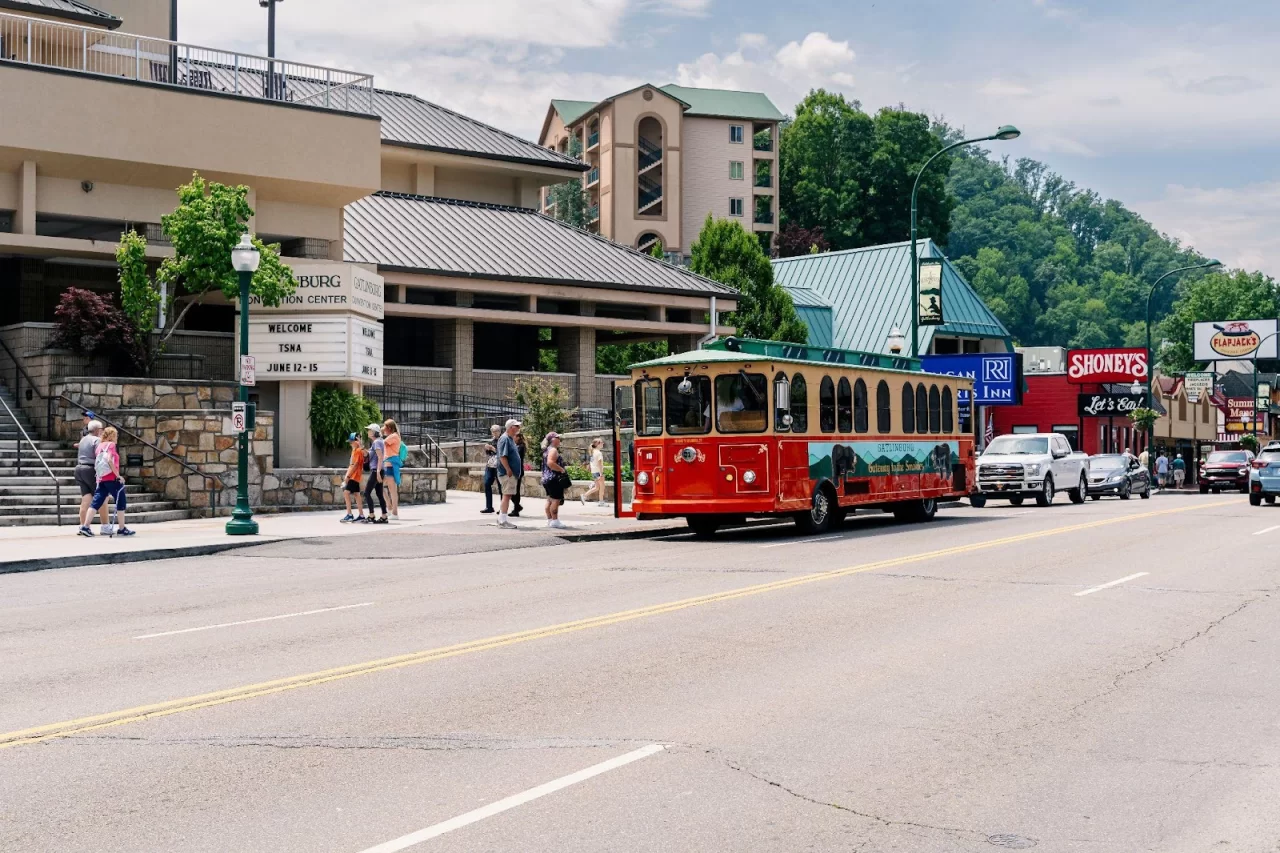
Good travel starts long before you pack your bag. It begins with thinking ahead: considering the unexpected, planning for traffic, and stacking the odds in your favor. Whether you’re off to a lively city or escaping to a quiet cabin near Gatlinburg, your trip should energize you, not fray your nerves. In this blog, we will share smart ways to sidestep those rookie travel blunders—so you spend less time stressed and more time enjoying the journey.
Build Flexibility into the Fun
Even the best trips hit bumps. Flights get delayed. Reservations vanish. A sunny forecast turns into sideways rain. It’s not about fearing the worst—it’s about giving yourself room to recover when things change. And when you build that wiggle room into your plans, you also give yourself the freedom to follow unexpected fun.
That might mean finding time for something the area is famous for. For example, if you’re interested in moonshine tasting Gatlinburg has a lot of options. The best ones, though, are Ole Smoky, Sugarlands Distilling Co., Tennessee Shine Company, and Doc Collier Moonshine. These local spots mix flavor, fun, and just enough storytelling to keep things interesting.
And when you’re done tasting, you’ll want a place that’s quiet, close, and comfortable. Timber Tops Cabin Rentals offers cozy cabins near the action, with space to relax, recharge, and turn your getaway into something more than just a checklist.
Confirm Everything, There’s No Excuse
Technology has made us lazy with details. We book everything with a click and assume the confirmation email is gospel. But hotels change room types without warning. Ride shares quietly update their operating hours. And tours sometimes vanish from schedules without even a courtesy email.
A quick confirmation 48 hours before departure isn’t about being obsessive. It’s about protecting the time, money, and emotional energy you’ve already invested. That rooftop dinner you booked months ago? Still needs a double-check. The kayak rental you saved to your browser? Might be closed for repairs.
Think of it like hitting “Save” on your trip. You’ll thank yourself when a two-minute phone call saves you from standing in a closed lobby or learning that the boat tour you were counting on is now next Thursday. Details aren’t boring—they’re armor.
Pack Light, Pack Smart
Packing light isn’t just a flex for minimalist travelers. It’s the difference between freedom and frustration. When you travel with half your closet, you spend more time managing your stuff than enjoying where you are. You worry about lost bags, wrinkled clothes, and overhead bin space instead of soaking in the skyline.
Start small. Make a packing list a week out, then add to it slowly. This trims the panic-packing impulse to toss in seven pairs of shoes for a three-day weekend. Choose items that pull double duty: a scarf that dresses up dinner and shields you from airplane air. A phone charger that doubles as a portable battery. Pants that look fine with sneakers and boots.
Leave Room for the Unexpected Good Stuff
Every trip needs breathing room. The kind that leaves space for what wasn’t in the brochure. Like the breakfast joint you stumbled upon that had better views than the guided hike. Or the street musician who turned a ten-minute stroll into a thirty-minute experience. These are the things you remember.
If your itinerary looks like a hostage schedule, ease up. Give yourself permission to wander. Block off open time. Cancel a reservation if the weather’s better than expected and you want to sit outside instead. The magic of travel doesn’t always come from the checklist. Sometimes it sneaks up on you because you had the time to notice it.
Some of the best stories come from accidents. Like when you got lost and found the best sandwich of your life. Or when you skipped a tourist trap and found a hidden overlook. Travel well-planned is good. Travel with margin is better.
Rethink the Way You Plan Your Days
It’s easy to let every hour become “productive.” But cramming your day with activities is a fast track to burnout—even on vacation. Take a lesson from locals. They rarely rush between attractions. They stroll, pause, notice. Why? Because they’re not trying to conquer their town like it’s a game level.
Start building slower days. Instead of five stops, try three. Pick quality over quantity. Take time to rest in the middle of the day. You’ll actually enjoy what you’re doing instead of racing through it. Plus, you leave mental space for surprises. Like a local festival, a market you didn’t expect, or a spontaneous decision to go somewhere better than what you had planned.
This isn’t about doing less. It’s about doing better. When you travel like someone who has nowhere better to be, the whole experience gets richer.
Be Ready, But Be Chill
Let’s be honest: there’s no such thing as a perfect trip. Something will go sideways. But the difference between meltdown and memory-making usually comes down to how prepared you are.
Good preparation means you’ve already handled the big stuff—so you can handle the weird stuff. If the hotel loses your reservation, you’ve got a screenshot and a calm tone. If the train is late, you’ve got snacks, a charger, and enough patience not to bark at strangers.
And when things do go well, you actually get to enjoy it. You’re not too exhausted to look around. You’re not preoccupied with what’s next. You’re just there—present, laughing, taking it all in.
People think planning kills spontaneity. In reality, it creates room for it. When your essentials are locked in, you’re free to roll with whatever shows up.
So as you zip your suitcase and scroll through your boarding pass one more time, remember this: you’re not just going on a trip. You’re investing in an experience. Smart prep is how you protect that investment and give yourself space to actually live it.
Similar Street View images
 Rethinking What Makes a Trip Feel Worthwhile
 What Makes Beach Towns the Perfect Family Getaway
How to Choose Tourist Accommodation: Tips for a Comfortable Stay
Make Memories: Cabo San Lucas Villa Stays
The Essential Guide to Outdoor Adventures: Unleash Your Wild Side
What Makes Beach Towns the Perfect Family Getaway
How to Choose Tourist Accommodation: Tips for a Comfortable Stay
Make Memories: Cabo San Lucas Villa Stays
The Essential Guide to Outdoor Adventures: Unleash Your Wild Side
 A Cabin, A Fire, A View: Gatlinburg for Couples
 How to Make the Most of Google Street View When Planning a Trip
New Zealand Pickup Truck Self-Driving Tour: Explore Scenic Routes
Route 66 Self-Drive Tour: Discover Stunning U.S. Scenery
Tips for Students Struggling to Find Inspiration for Essay Writing
How to Make the Most of Google Street View When Planning a Trip
New Zealand Pickup Truck Self-Driving Tour: Explore Scenic Routes
Route 66 Self-Drive Tour: Discover Stunning U.S. Scenery
Tips for Students Struggling to Find Inspiration for Essay Writing