Some travel stays feel easy from the moment you arrive. There’s no pause at the door, no second-guessing instructions, no need to adjust expectations. You walk in, set your bags down, and it just works. Other stays take a bit more effort. Something feels slightly off, maybe the entry process is unclear, or the space doesn’t match what you had in mind. This difference often comes down to how much has been handled before you even get there.
Some places are fun once. You visit, check a few things off, and move on.
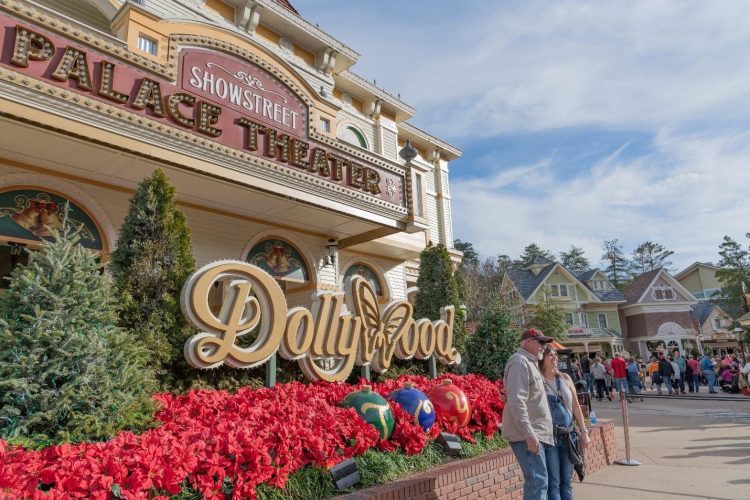
Pigeon Forge doesn’t really work like that. Families come here once, and then they come back again. And again. Not because they missed something the first time, but because the place just feels easy to return to.
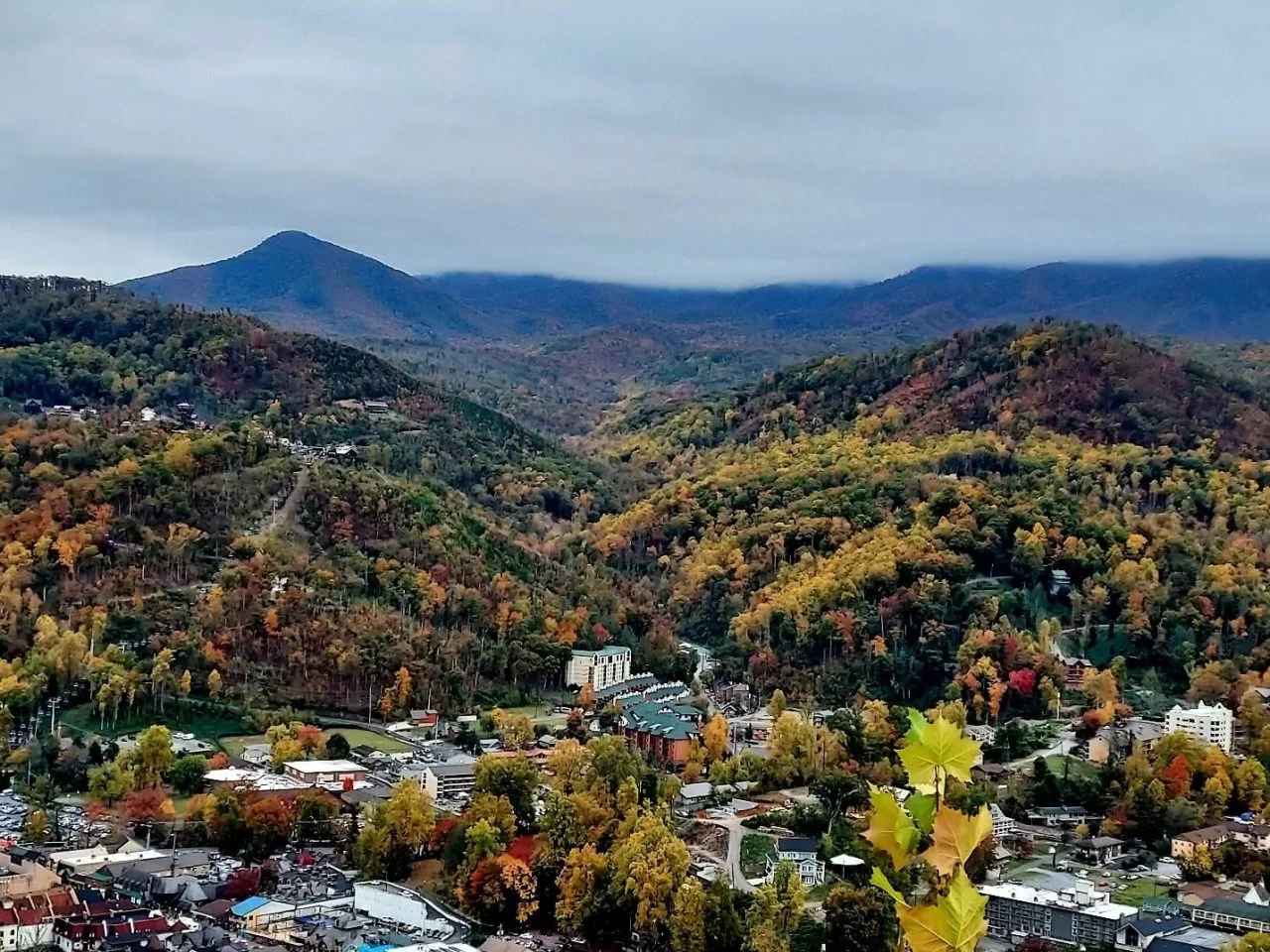
Gatlinburg sits where mountain trails meet vibrant downtown life. This town pulses with adventure, cozy escapes, and flavors that celebrate Appalachian culture. Every step feels like a chance to discover something new — from misty hilltops at sunrise to warm evenings wandering lively streets. Visitors come for the scenery but stay for the stories Gatlinburg inspires. Whether you’re here for the views, the food, or the peace of the woods, this guide will show you the places worth your time.
Time remains the most precious commodity for business leaders. As companies face increasingly complex challenges, executives find themselves overwhelmed by administrative tasks that prevent strategic focus. The solution? Online executive assistants who can save you time and eliminate hiring hassles. This guide shows you how businesses are using virtual executive support professionals to win back valuable hours and grow faster.
You don’t usually realize how much distance matters until you’re already tired. The day looks fine on paper. Everyone’s in a good mood at breakfast. Plans feel doable. Then the moving starts. Load up. Drive. Park. Walk. Repeat. Somewhere in the middle of all that, the trip starts to feel heavier than it needs to.
If you are wondering how to use AI to take meeting notes effectively, you are likely already familiar with the crushing weight of manual documentation. For most professionals, the work doesn’t end when the meeting does; instead, a new mountain of work begins as you struggle to recall key details, organize scribbled notes, and type out summaries. This manual process is more than just a chore—it is a significant drain on productivity that pulls you away from high-value tasks.
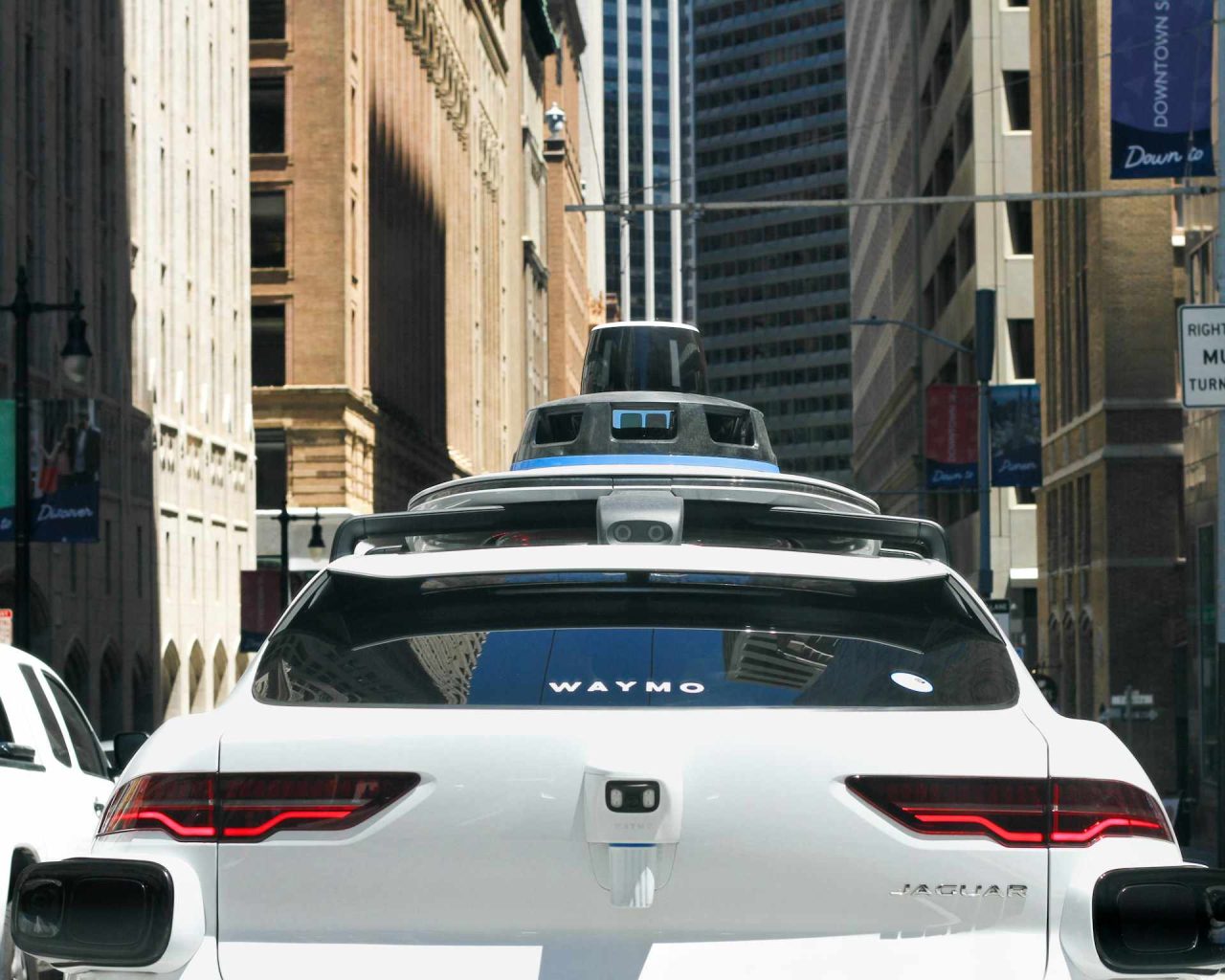
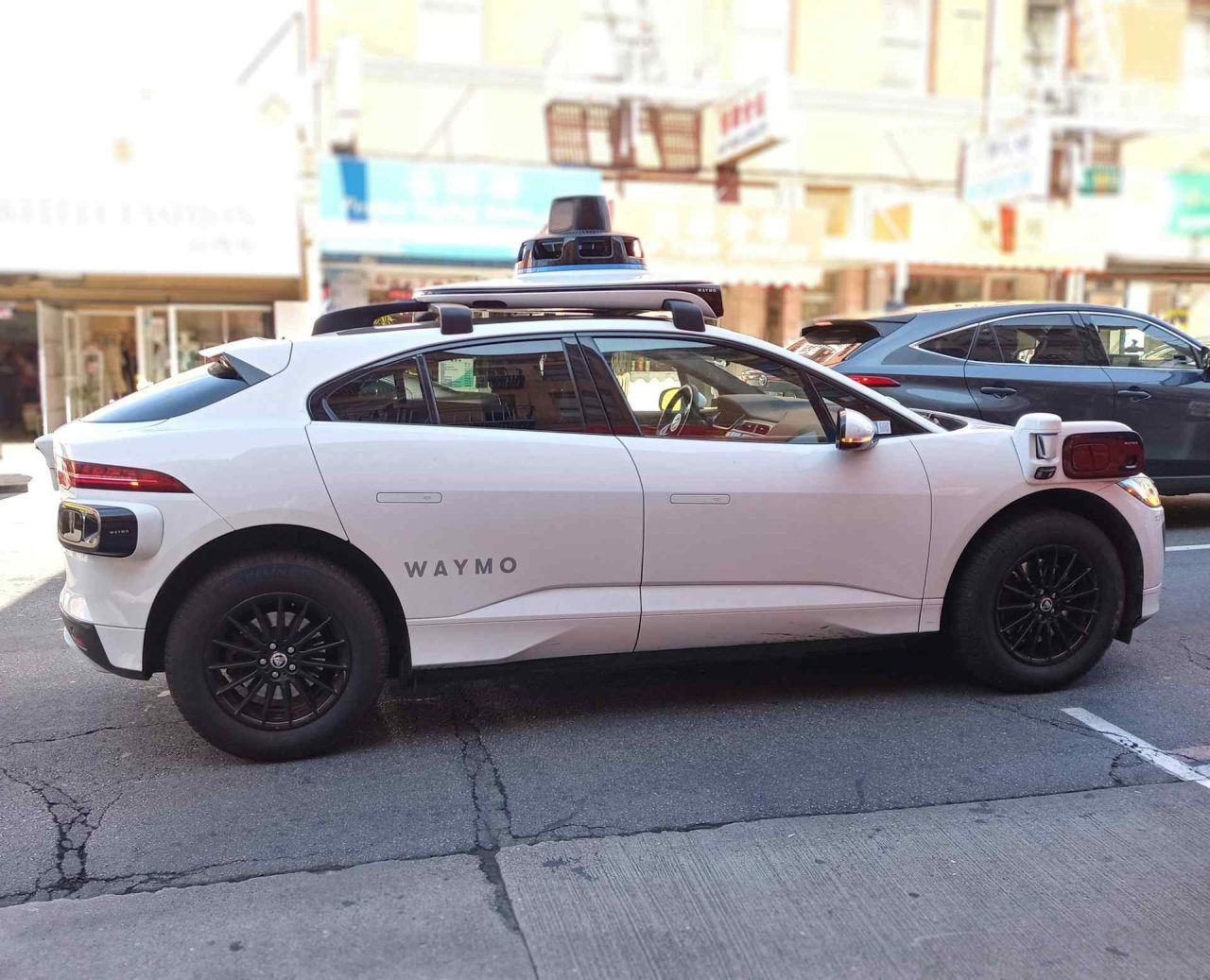
Waymo, Zoox and Tesla now offer self driving cars in the US. Can these type of self driving cars be used to collect images for Google Maps Street View in the near future? Maybe, but the roof of the Waymo cars are occupied by camera and lidar sensors to navigate to the destination. We need some Street View cameras there for this to work.
The most likely self driving car to be used to collect Google Maps Street View images is still the Waymo cars since the service is owned by Google (Alphabet Inc). Currently the self driving cars is only available in a few cities in mainly California and Texas, but both Waymo and Tesla plan to expand rapidly this year.
Will Google start to use the cars for Street View? Can the Street View cameras be moved from the roof to the side of the car or made smaller? The Waymo sensors around the car is already kind of bulky and ugly. Or can Waymo and Google Street View use the same cameras? Any thoughts?
City streets often carry stories that go far beyond what first appears on a screen. Brick facades, aging storefront signs, and the quiet rhythm of early-morning traffic can hint at decades of commerce that shaped a neighborhood. With Street View, those layers of history become easier to notice, even from miles away.
Every long trip looks effortless from the outside — smooth roads, scenic views, and perfectly timed arrivals. Yet behind every successful journey lies an unseen layer of planning that keeps everything running safely and efficiently. From route mapping to packing essentials, small details add up to create a smooth travel experience.