
You don’t usually realize how much distance matters until you’re already tired. The day looks fine on paper. Everyone’s in a good mood at breakfast. Plans feel doable. Then the moving starts. Load up. Drive. Park. Walk. Repeat. Somewhere in the middle of all that, the trip starts to feel heavier than it needs to.
Staying close cuts out a lot of that weight. Not in a dramatic way. More like shaving off small annoyances before they stack up. You don’t think about it at first. You just notice that the day feels smoother. Fewer pauses. Less coordinating. Less mental math about whether something is worth the effort to get to and back from.
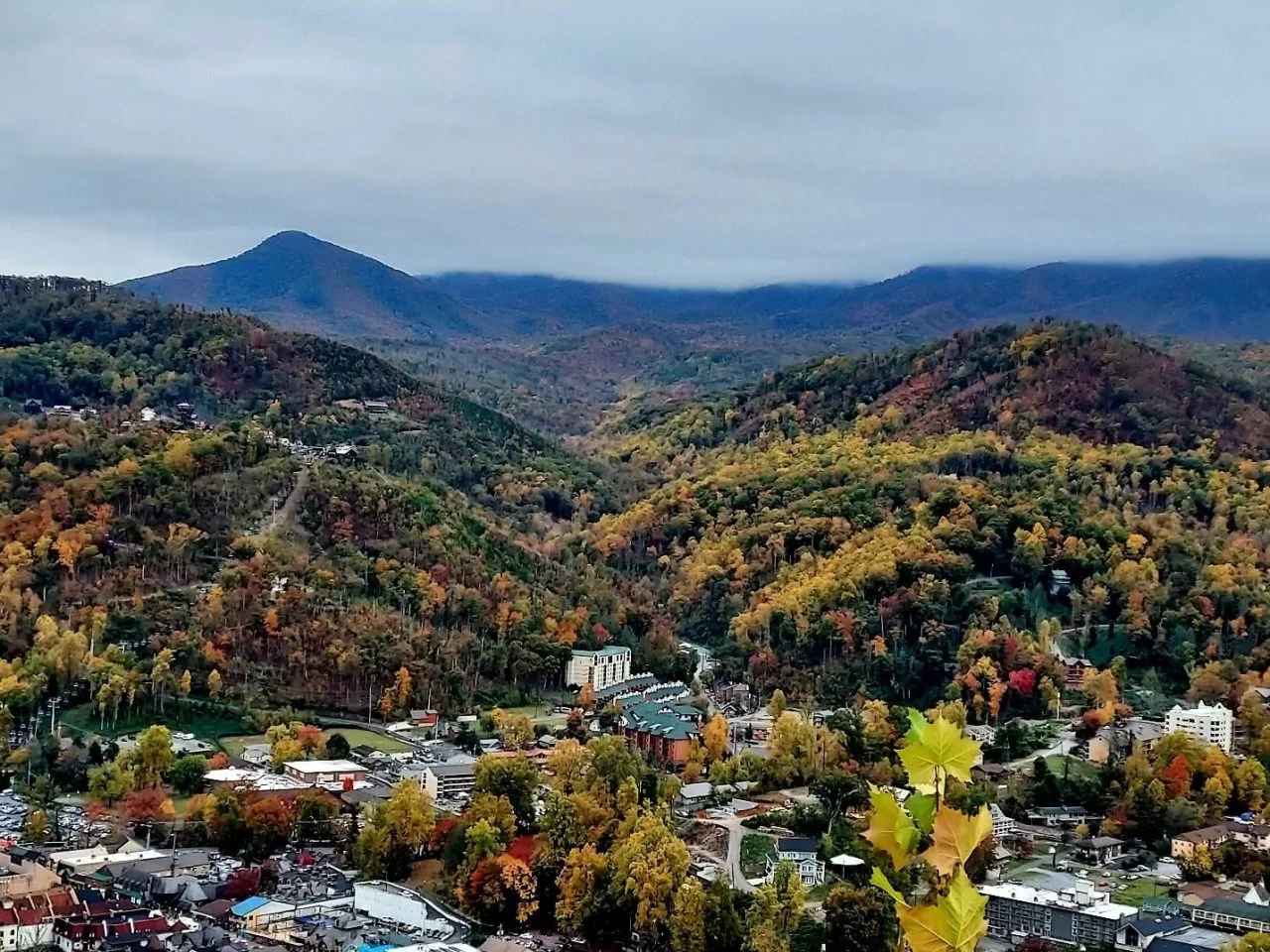
That difference shows up pretty clearly in Gatlinburg. Things sit closer together there. You’re not constantly hopping in and out of the car or mapping out the fastest route just to get through the afternoon. You step outside, and the day is already happening. That alone changes how relaxed or tense everyone feels before you even start talking about what you’re going to do.
Letting Younger Kids Rest
Kids’ moods don’t fade out gradually. They’re fine until they’re not. And when they hit that point, it doesn’t line up neatly with plans or ticket times or what everyone else wants to do next. If you’re staying far away, that moment turns into a group decision whether you want it to or not.
Being close makes those moments smaller. Someone needs a break, so they take one. It doesn’t feel like the day is ending. It’s just a pause that fits into the flow instead of breaking it.
That’s where a downtown Gatlinburg hotel actually makes a difference. Places like Old Creek Lodge are close enough that heading back doesn’t feel like retreating. You’re not undoing the day. You’re just stepping out of it for a bit, then stepping back in when everyone’s ready.
When Walking Feels Normal Instead of Annoying
There’s a big difference between walking because it’s pleasant and walking because you have no choice. When attractions are close by, walking becomes part of the day instead of a hurdle. People talk. Kids drift a little. Someone stops to look at something. You arrive already settled instead of slightly irritated from the drive.
Those little walks do more than burn time, as they smooth transitions.
Evenings That Don’t Carry Extra Pressure
Evenings are usually when distance starts to matter most. Everyone’s tired. Patience is thinner. If there’s a long drive waiting at the end of the night, it hangs over everything. You feel it even if nobody says it out loud.
Staying close removes that countdown. You don’t rush dessert. You don’t keep checking the time. You let the night end naturally instead of managing it around a return trip.
That changes the mood more than people expect. Evenings feel calmer. Less forced. You’re present because you’re not already thinking about getting back.
Giving Teens Space Without Making It Complicated
Teens want room to move around. Parents want to know everyone’s okay. Distance turns that balance into a constant negotiation. Rides, pickups, timing, check-ins. It adds friction fast.
When everything’s nearby, independence looks simpler. Teens can explore without disappearing for hours. Parents don’t have to hover to feel comfortable. Everyone stays connected without needing to talk about it constantly. This ease lowers stress on both sides.
Being Able to Step Away Without Derailing the Day
One thing that keeps standing out is how helpful it is to slip back to the room without it becoming a group decision. Someone realizes they need to change clothes. Someone hits a wall and needs ten quiet minutes. Someone just forgot something simple. When the hotel room is near, none of that carries weight.
You don’t pause the day to discuss it. You don’t feel like you’re undoing plans. You just go, handle it, and come back. That ease keeps small needs from piling up.
Keeping Meals Simple Instead of Strategic
Food tends to complicate trips more than expected. Hunger shows up suddenly. Patience disappears fast. If eating requires driving somewhere specific or committing to a long stretch away from everything else, it adds pressure that nobody really wants.
When dining options are nearby, meals stay casual. You eat when it makes sense. You don’t overthink it. You don’t add extras just to justify the stop. It feels less like an event and more like a pause, which is usually all anyone needs by that point in the day.
Handling Forgotten Items
Something always gets left behind. Sunglasses. A charger. A sweatshirt that didn’t seem necessary earlier. When the room is far away, people try to ignore it. They tell themselves it’s fine. It usually isn’t.
Being close removes this entire spiral. Someone runs back. Someone else keeps going. The fix happens before frustration has time to build. That keeps the day moving without that low-level irritation tagging along.
Making Transitions Feel Lighter for Parents
Transitions are where trips get tense—leaving one place, getting to the next, and figuring out timing. Distance adds friction to every one of those moments.
When attractions are close, transitions lose their sharp edges. Plans stretch or compress without stress. Parents stop watching the clock so closely because there’s less risk attached to running late. Movement feels easier, and that reinforces a calmer tone across the group.
Letting the Trip Move at a Human Pace
Proximity allows the trip to flow without feeling chopped into segments. You’re not constantly resetting between locations. Everything flows together a little more naturally.
You can repeat things. You can slow down and change your mind without feeling like you’re wasting time or money. The pace fits the people on the trip instead of forcing everyone to keep up with logistics.
Staying close doesn’t make a trip bigger or busier. It makes it steadier. Less energy goes into getting places. More stays with the people you’re with. Small needs get handled before they grow into frustrations.
Similar Street View images
 Rethinking What Makes a Trip Feel Worthwhile
 What Makes Beach Towns the Perfect Family Getaway
 A Cabin, A Fire, A View: Gatlinburg for Couples
 Very close…
 Close park
The Hidden Logistics Behind Every Long Journey
Close park
The Hidden Logistics Behind Every Long Journey
 Why Travelers Are Seeking Out Authentic Cultural Experiences
How to Choose Tourist Accommodation: Tips for a Comfortable Stay
Why Travelers Are Seeking Out Authentic Cultural Experiences
How to Choose Tourist Accommodation: Tips for a Comfortable Stay
 Heading to Pigeon Forge With Kids? Read This First